01
Start with the real setting
We begin with the place, object, or routine itself and note the details that matter in use.
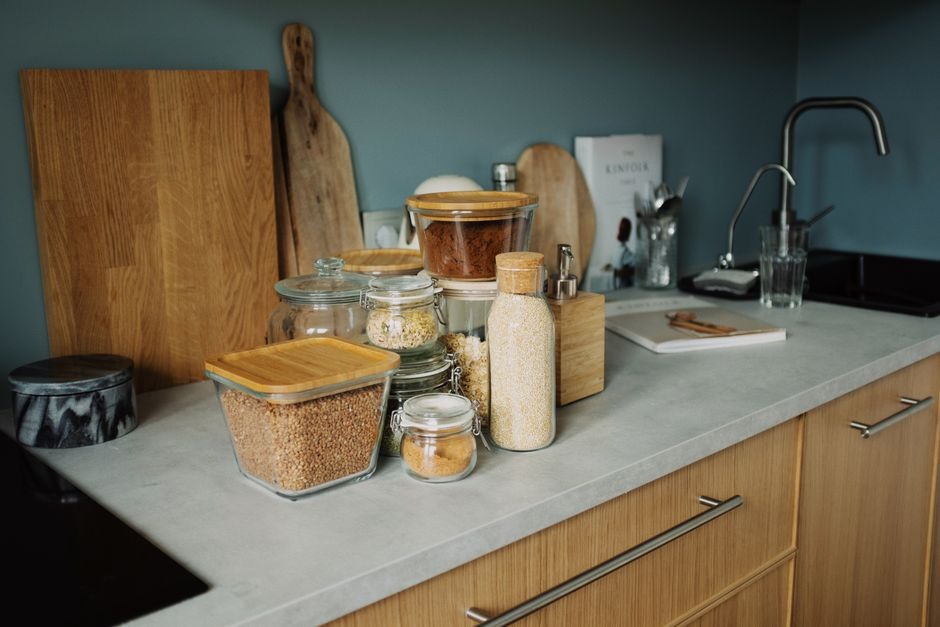
At Common Hours, stories begin with ordinary situations that deserve a closer look: a walk through an unfamiliar neighborhood, a drawer that never quite works, a travel habit worth keeping, or a kitchen tool that proves useful over time. We start from direct observation and practical experience, then check factual details, remove unnecessary claims, and edit for clarity. The result should be specific enough to be useful without pretending there is only one correct way to live, travel, cook, or organize a home.
We begin with the place, object, or routine itself and note the details that matter in use.
When a topic needs background, we consult reliable references and experienced sources rather than padding the piece with assumptions.
Names, measurements, dates, and other factual details are checked before publication.
Every article is reviewed for clear language, realistic advice, and unnecessary repetition before publication.
General advice becomes useful only when it connects to real situations. We prefer concrete examples, modest claims, and clear limits over universal rules. A wardrobe, a neighborhood, or a travel day will work differently for different people, so our job is to explain the reasoning behind an idea and let readers adapt it. We also revisit older pieces when a factual detail or recommendation clearly needs correction.
Common Hours is a small editorial project about places, home life, food, travel notes, and practical hobbies. We are interested in the moments between major plans: the street you decide to follow, the shelf that finally works, the utensil you reach for every day, or the notebook line that brings a trip back years later. We publish slowly enough to keep the writing useful, readable, and grounded in real details.