A Small Kitchen Kit for Everyday Cooking
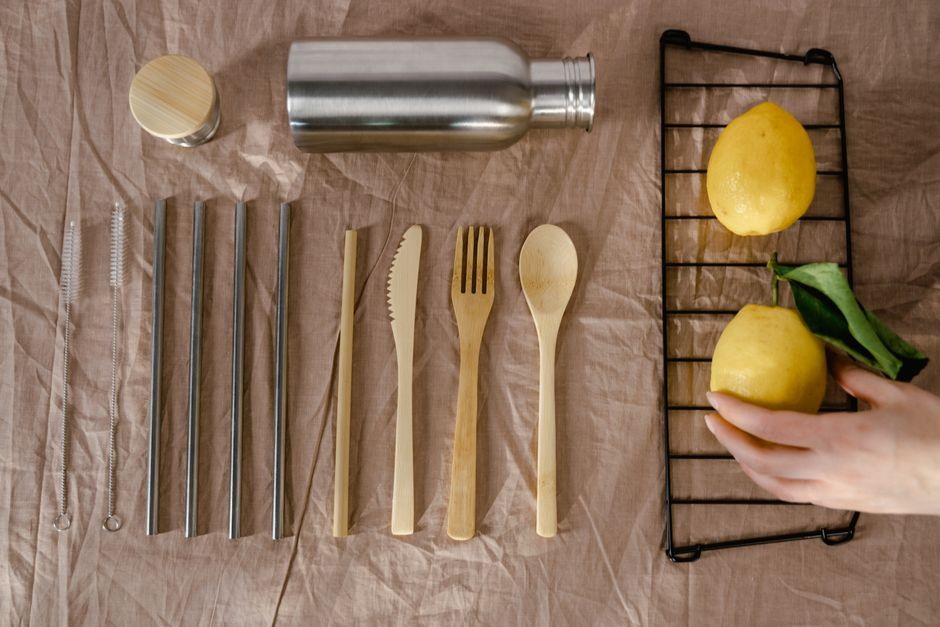
Kitchen drawers have a way of collecting objects that seemed clever in the shop and awkward at home. Everyday cooking usually relies on a much smaller group: tools that are easy to reach, comfortable to hold, and simple to wash. Building a compact kit around those qualities makes a kitchen feel calmer without making it austere.
The exact list will vary by how you cook, but the principle is consistent: keep the tools that solve recurring problems, not imaginary ones.
Choose tools by frequency, not novelty
Start with what you use several times a week. A sturdy spoon, a reliable turner, a small whisk, tongs, a sharp knife, and a cutting board will cover a remarkable amount of cooking. If you regularly zest citrus, grate hard cheese, or peel vegetables, one compact tool for that job earns its space because it returns value often.
Comfort matters more than a matching set. A spoon with the right weight and handle length will be used for years; a beautiful utensil that feels awkward will slowly migrate to the back of the drawer.
Keep one tool that can do several jobs
Multi-purpose does not mean complicated. A medium stainless-steel bowl can mix dough, hold chopped vegetables, catch scraps, or serve a salad. A small saucepan can warm leftovers, cook grains, make a sauce, or boil a couple of eggs. A pair of tongs can turn vegetables, toss pasta, and reach into a hot pan more safely than several specialized gadgets.
When choosing between two items, the one that works across more of your normal meals is usually the better long-term resident.
Let cleanup be part of the decision
A tool that saves thirty seconds during cooking but adds five minutes of awkward cleaning is not always a bargain. Smooth shapes, few moving parts, and materials that tolerate regular washing tend to age well. Wooden utensils need occasional drying and oiling; stainless steel is forgiving; silicone is useful near coated pans. None is universally best, so match the material to the job.
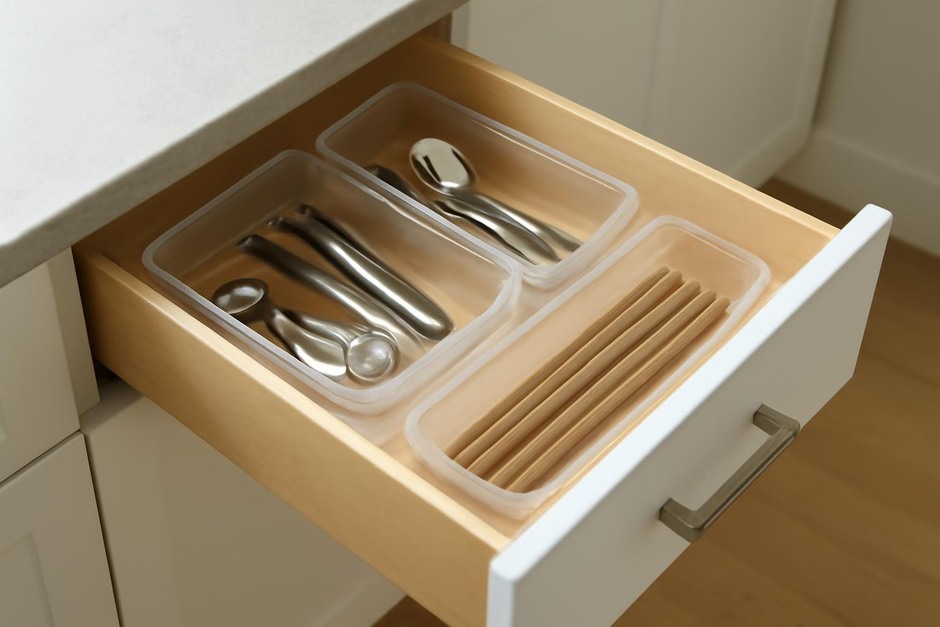
Store the daily group near the place where you work. Reserve deeper drawers or high shelves for baking tins, holiday serving pieces, and other occasional equipment. The objective is not to own less for its own sake; it is to keep the working area free of friction.
Notice what is missing after a month
Instead of buying a full set at once, cook with the basics for a few weeks. Repeated annoyances will identify genuine gaps. If you keep improvising a citrus juicer, pastry brush, or fine grater, that is evidence. If you never miss the gadget you considered buying, you have saved both money and drawer space.
A small kitchen kit becomes personal through use. Over time, the best tools are not the newest ones but the few you can reach for without thinking.